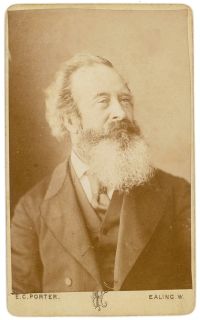
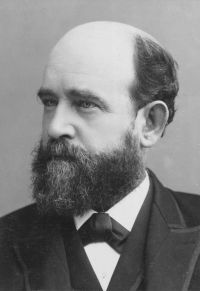
The concept of allowance denotes a financial provision or allocation, often structured to manage resources while balancing needs and constraints. From personal to institutional contexts, authors have explored its nuances: L.M. Montgomery framed it as a pedagogical tool for financial prudence, while Sir Arthur Helps connected it to ethical labor practices.
Legal texts, such as those from the U.S. Congress, formalized allowances as regulated compensations, contrasting with William Petty’s economic analysis of usury as a form of concession. These diverse perspectives highlight allowance’s role as both a practical instrument and a conceptual link between individual needs and systemic frameworks.
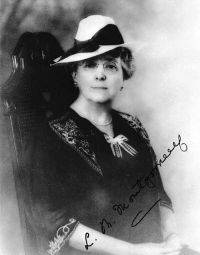 L. M. Montgomery,
Rilla of Ingleside
L. M. Montgomery,
Rilla of Ingleside