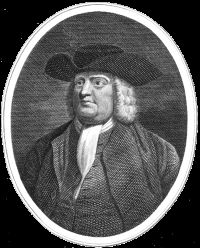
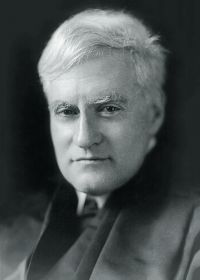
Magistracy denotes the authority held by a magistrate, a role historically linked to governance, justice, and societal order. From Plato’s structured judicial assemblies in Laws to John Adams’ critique of executive overreach, the theme illustrates varied perspectives. Thieleman van Braght viewed magistracy as divinely sanctioned, while Roger Williams stressed its secular basis.
Agnes Muriel Clay pointed to its Roman origins, and William Penn connected it to ethical leadership. These differing viewpoints highlight magistracy’s multifaceted role as both a legal body and a moral responsibility, reflecting the tensions between power, obligation, and the public good.