Debility, defined as a medical condition characterized by physical or mental weakness, has been explored across literature as a lens to examine human vulnerability and resilience. Authors such as Rev. James Wood framed it as a perilous state of voluntary inactivity, warning of its capacity to drain vitality, while Thomas Garnett portrayed it as a pervasive languor accompanied by irritability and dread.
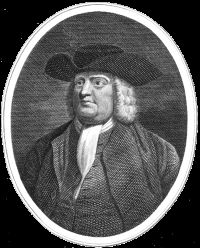
William Penn associated debility with moral fortitude, asserting that true nobility lies in the harmony of body and soul. Meanwhile, Hugh Walpole contrasted human frailty with the transformative power of virtue, suggesting that recognition of weakness can coexist with aspirational strength. These varied perspectives highlight debility’s role as both a physiological reality and a metaphor for the challenges inherent in human existence.