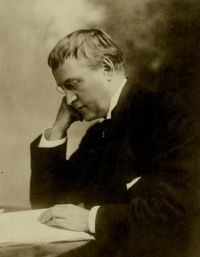
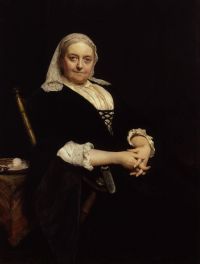
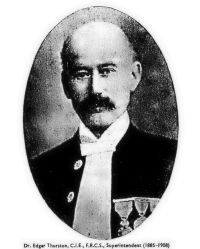
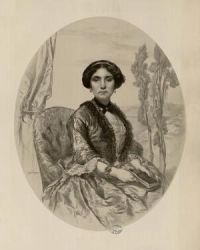
Interracial marriage, the union of individuals from distinct cultural, ethnic, or social backgrounds, has long been a subject of literary and social inquiry. Authors such as Henry James, Wilkie Collins, and Franz Boas examined its complexities, considering its impact on identity, responsibility, and human relationships.
While Boas analyzed intermarriage’s role in shaping societal dynamics, Collins portrayed it as a narrative tool intertwined with personal and legal limitations. Likewise, George Eliot and others situated it within wider discussions about love, duty, and cultural interaction. These diverse viewpoints collectively highlight how intermarriage functions as both a personal decision and a mirror of changing social frameworks.
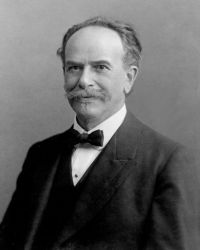 Franz Boas,
The mind of primitive man
(1911)
Franz Boas,
The mind of primitive man
(1911)