Mariage de convenance

Definition and stakes

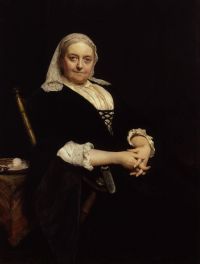
Janet Millett,  An Australian Parsonage (1872)

“ There is the mariage de convenance, and the marriage by entail, and there is the runaway marriage which is the most illustrious of all. The first is a family arrangement between the parents in which the parties most interested have no voice, though they render their lives forfeit if they do not carry out the domestic contract.
A settler told me that he and his wife had had a native girl in their service for two years, when one day her affianced husband appeared at the door to claim his bride.
”
Source: Wikisource

John R. Effinger,  Women of the Romance Countries…

“ Inasmuch as the real marriage of the time was but a mariage de convenance, which gave the wife to the husband without regard for her own inclinations, and without consideration for the finer things of sense and sentiment which should find a perfect harmony in such relationship, it came to be a well-recognized fact that love and marriage were two things quite distinct and different. A wife was expected to show a material fidelity to her lord, keep her honor unstained, and devote herself to his service; and this done, she was allowed to bestow upon a lover her soul and better spirit. ”
Source: Gutenberg

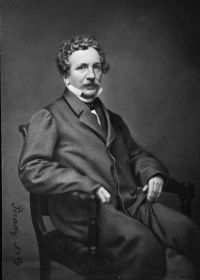
Portrait of Charles Henry Pearson Charles Henry Pearson,  National Life and Character (1893)

“ We must look at typical instances of the French system to understand what it has really been, and how many of the noblest and best women in a country distinguished for its women have entered upon congenial lives in this manner. In its practical rendering by the best people the mariage de convenance has always meant the marriage in which the conditions of family happiness were based upon high character, suitability of circumstances, and, if possible, old family friendships. ”
Source: Wikisource

Get perspective with Kwize: daily news enlightened by great literature