Frederick Law Olmsted

Biographical details

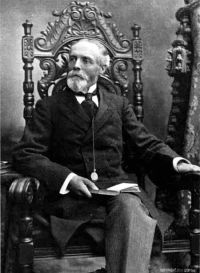
Portrait of Frederick Law Olmsted Frederick Law Olmsted The Cotton Kingdom, volume 1 (of 2… (1861)

I have been in the habit of watching men at work, and of judging of their industry, their skill, their spirit; in short, of whatever goes to make up their value to their employers, or to the community, as instruments of production; and from day to day I saw that, as a landowner, or as a citizen, in a community largely composed, or dependent upon the productive industry, of working people of such habits and disposition as I constantly saw evinced in those of Virginia, I should feel disheartened, and myself lose courage, spirit, and industry.
Source: Gutenberg

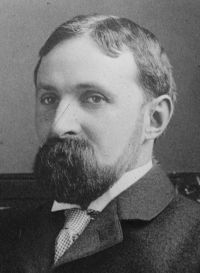
Portrait of Frederick Law Olmsted Frederick Law Olmsted Frederick Law Olmsted (1922)

Dame Nature is a gentlewoman. No guide’s fee will obtain you her favour, no abrupt demand; hardly will she bear questioning, or direct, curious gazing at her beauty; least of all, will she reveal it truly to the hurried glance of the passing traveller, while he waits for his dinner, or fresh horses, or fuel and water; always we must quietly and unimpatiently wait upon it. Gradually and silently the charm comes over us; the beauty has entered our souls
Source: Gutenberg

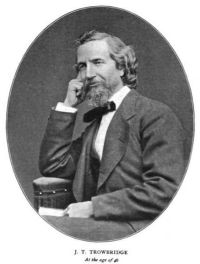
Portrait of Frederick Law Olmsted Frederick Law Olmsted The Cotton Kingdom, volume 2 (of 2… (1861)

In Eastern Virginia I have repeatedly been told that the task of one cord of wood a day, or five cords a week, rain or shine, is the general task, and one of the most profitable day’s work that the slave does for his master. And this, it should be remembered, is generally pine wood, cut from trees as straight and beautiful as ever grew. The reason of this ‘profitableness’ is the fact that the labour requires so little mental effort. The grand secret of the difference between free and slave labour is, that the latter is without intelligence, and without motive.
Source: Gutenberg

Get perspective with Kwize: daily news enlightened by great literature