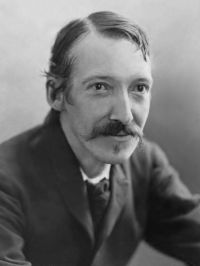
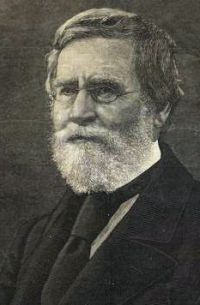
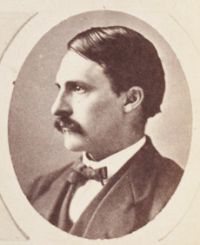
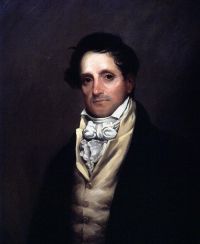
A thoroughfare denotes a principal road or passage, often central to urban or communal life, serving as a channel for movement, commerce, and social interaction. Authors have long depicted it as a dynamic entity: Mark Twain evokes its uniformity and illumination in The Innocents Abroad, while John L. Stoddard highlights its beauty and emotional impact.
Louis Zangwill portrays it as a bustling center of trade and human activity, contrasting with George E. Waring’s practical emphasis on functional design. Nathaniel Hawthorne, meanwhile, traces its transformation from wilderness to urban infrastructure. These varied perspectives reveal the thoroughfare as both a practical necessity and a symbolic meeting point of progress, identity, and human effort.
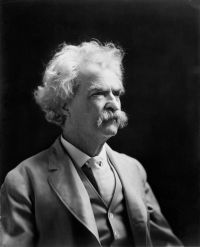 Mark Twain,
The Innocents Abroad
(1869)
Mark Twain,
The Innocents Abroad
(1869)