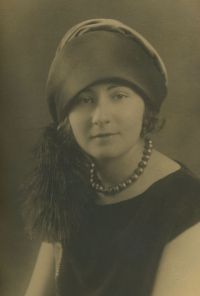
Francis Watt

Biographical details

Francis Watt The book of Edinburgh anecdote (1912)

Even on a moderately gusty night the noise of the wind amidst the tall lands and narrow closes of the Old Town, as heard from Princes Street, is a sound never to be forgotten; it has a tragic mournful dignity in its infinite wail, the voice of old Edinburgh touched with pity and terror! Some one has said what a charming place Edinburgh would be if you could only put up a screen against the east wind. As that is impossible it may be held to excuse everything from flight to dissipation!
Source: Gutenberg

Francis Watt The book of Edinburgh anecdote (1912)

The reign of James IV. is full of picturesque incident. There are stories of brilliant tournaments at Edinburgh, where he sat on a ledge of the Castle rock and presided over the sports of a glittering throng gathered from far and near. There are the splendid records of his marriage with Margaret, Henry VII.’s daughter, the marriage that a hundred years afterwards was to unite the Crowns, the marriage whose fateful import even then was clearly discerned; and there is the tragic close at Flodden, of which, in the scanty remnants of the Flodden Wall, Edinburgh still bears the tangible memorials.
Source: Gutenberg

Francis Watt The Law's Lumber Room

Clinch was at his wits' end, and went so far as to entreat the prisoner to plead in the proper form: "Good woman, I pray you put yourself to the country. There is no evidence but a boy against you, and whatsoever they (the jury) do, yet we may show mercy afterwards." She was moved not a whit; and then Rhodes, the other judge, broke in: "Why stand we all day about this naughty, wilful woman?" Yet once again she was entreated, but as vainly as before; it was evident that the law must take its course; and "then the judge bade the sheriff look to her, who pinioned her arms with a cord."
Source: Gutenberg

Get perspective with Kwize: daily news enlightened by great literature