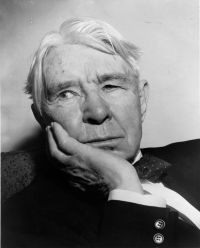
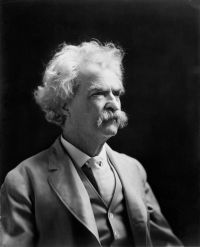
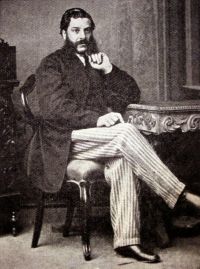
An umbrella is a portable, collapsible device designed to protect individuals from rain and sunlight, typically consisting of a fabric canopy supported by ribs and a central pole. Its dual role as both a practical tool and a cultural symbol has inspired a wide range of literary interpretations. Authors such as Carl Sandburg praised its resilience, comparing it to something capable of self-repair, while Nathaniel Hawthorne portrayed it as a delicate object contending with the unpredictability of nature.
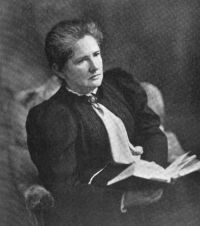
G.K. Chesterton questioned its practicality, contrasting it with the simplicity of a mackintosh, and Margaret Fuller noted its symbolic significance as an indicator of wealth or endurance. These differing depictions highlight the umbrella’s function not only as a useful item but also as a metaphor for human fragility, flexibility, and social status.