Social status denotes an individual's position within a social structure, influenced by societal views on ability, ethics, and worth. Authors like John Stuart Mill connected it to shared human emotions shaping social conditions, while Thomas Hill Green distinguished between natural and civil status, emphasizing their differences.
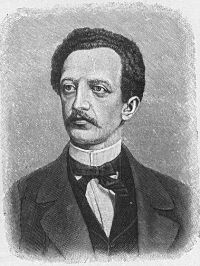
Ferdinand Lassalle focused on class-based historical periods, and Edwin Slosson advocated for matching social roles with societal value. These viewpoints illustrate status as a fluid concept, reflecting both cultural standards and power relations. The data highlights how status reinforces hierarchy by legitimizing inequalities through perceived value, interweaving with themes such as class, authority, and the allocation of resources.