Ethos

Definition and stakes

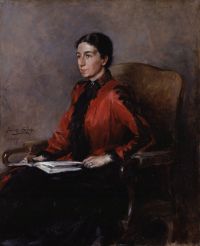
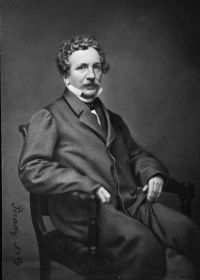
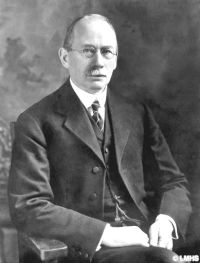
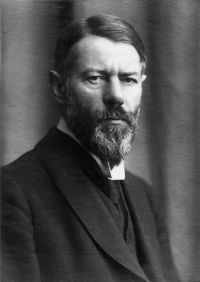
Portrait of Max Weber Max Weber,  The Protestant Ethic and the Spirit of Capitalism (1930)

“ For that we are here dealing only with Western European and American capitalism is obvious from the way in which the problem was stated. Capitalism existed in China, India, Babylon, in the classic world, and in the Middle Ages. But in all these cases, as we shall see, this particular ethos was lacking.
Now, all Franklin's moral attitudes are coloured with utilitarianism. Honesty is useful, because it assures credit; so are punctuality, industry, frugality, and that is the reason they are virtues.
”
Source: Wikisource

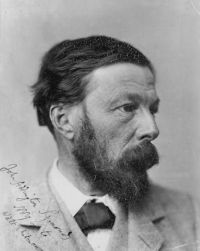
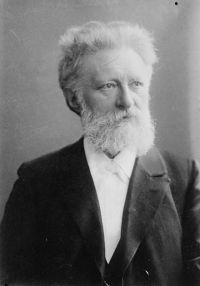
Portrait of Josiah Royce Josiah Royce,  The World and the Individual, Second Series (1901)

“ My Ought is my own will more rationally expressed than, at the instant of a capricious activity, I as yet consciously recognize. The consciousness of the more rational purpose, — of a purpose looming up, as it were, in the distance, beyond my present impulses, and yet even now seen as their own culmination, like a mountain crowning the ascent from the foothills, — the consciousness, I say, of such a purpose, is what we mean in Ethics by the Ought. ”
Source: Wikisource

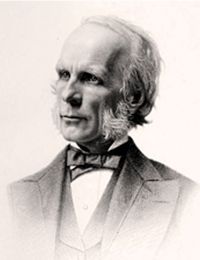
Portrait of William Kingdon Clifford William Kingdon Clifford,  The Ethics of Belief (1877)

“ Laying aside, then, such tradition as is handed on without testing by successive generations, let us consider that which is truly built up out of the common experience of mankind. This great fabric is for the guidance of our thoughts, and through them of our actions, both in the moral and in the material world. In the moral world, for example, it gives us the conceptions of right in general, of justice, of truth, of beneficence, and the like. ”
Source: Wikisource

Get perspective with Kwize: daily news enlightened by great literature