Ludwig

Definition and stakes

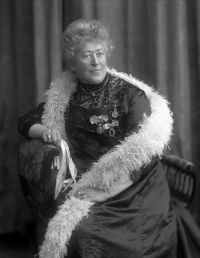
Portrait of Clara Tschudi Clara Tschudi,  Ludwig the Second, King of Bavaria

“ Ludwig’s need for solitude was, without doubt, the result of enigmatical depths in his nature. As a youth he had suspected, and as a man of riper years he felt, that it was impossible for him to be otherwise than a recluse and a stranger in life. Despite his high position, despite his beauty and gifts of mind, he was in his inward self helpless and tired of existence. His friendship for Richard Wagner was the bright spot in his life. ”
Source: Gutenberg

Portrait of Clara Tschudi Clara Tschudi,  Ludwig the Second, King of Bavaria

“ There are strange contrasts in Ludwig’s character; on the one side a yearning to escape from humanity, with its unnatural and stilted aspects, to unalloyed nature, to the stillness, the prayerful solemnity of solitude; on the other, even in his early years, an enthusiastic love of plastic art, combined with a delight in effective representations, for artificial brilliancy and pomp. So much, indeed, was this the case, that the thought cannot but arise in the mind that he was intended rather for the stage than for a throne. ”
Source: Gutenberg

The German Classics of the Nineteenth and Twentieth Centuries…

“ This phase of Ludwig's art strikes us as fresh and modern today, and it must have appeared like a revelation to a generation that did not yet, know Flaubert's Madame Bovary or George Eliot's Adam Bede.
Considered in his totality as man and as artist, Ludwig cannot be counted among the names of the very first rank in German nineteenth century literature. To him cannot be assigned the unequivocal greatness of a Kleist, a Hebbel, a Keller.
”
Source: Gutenberg

Get perspective with Kwize: daily news enlightened by great literature