Vassalage

Definition and stakes

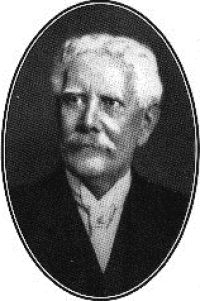
Portrait of Thomas Paine Thomas Paine,  The Writings of Thomas Paine, Complete

“ They are evidently of the vassalage class of manners, and emphatically mark the prostrate distance that exists in no other condition of men than between the conqueror and the conquered. That this vassalage idea and style of speaking was not got rid of even at the Revolution of 1688, is evident from the declaration of Parliament to William and Mary in these words: "We do most humbly and faithfully submit ourselves, our heirs and posterities, for ever." Submission is wholly a vassalage term, repugnant to the dignity of freedom, and an echo of the language used at the Conquest. ”
Source: Gutenberg

Oscar Chrisman,  The Historical Child

“ The constituent elements of feudalism were those referring to land and its tenure and to the relations which existed between the protector and the one protected, or, vassalage, beneficies, and immunities.
The term vassal was originally applied to servants not free, but it gradually grew to mean a free man and a vassal was of the same condition as his lord, so that the term held an honorable meaning. The relation of the vassal to the lord was that of homage and fealty. There were two parts to the ceremony of vassalage.
”
Source: Gutenberg

Jean Paul Hippolyte Emmanuel Adhémar Esmein,  1911 Encyclopædia Britannica (1911)

“ But vassalage could only be a cause of disintegration, not of unity, and that this disintegration did not at once spread indefinitely was due to the dozen or so great military commands—Flanders, Burgundy, Aquitaine, &c.—which Charles the Bald had been obliged to establish on a strong territorial basis. One of these great vassals, the duke of France, was amply provided with estates and offices, in contrast to the landless Carolingian, and his power, like that of the future kings of Prussia and Austria, was based on military authority, for he had a frontier—that of Anjou. ”
Source: Wikisource

Get perspective with Kwize: daily news enlightened by great literature