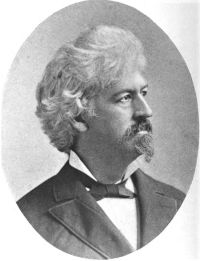
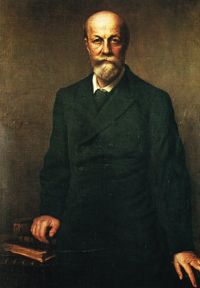
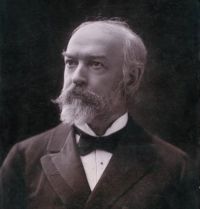
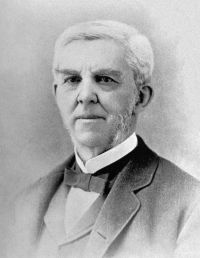
Plunder, the act of seizing goods through force or violence, especially during wartime, has long been a subject of literary exploration, reflecting its moral and historical complexities. Authors such as Charlotte M. Yonge emphasized its connection with ambition and disorder, while báró Miklós Jósika illustrated its destructive effects on communities.
George MacDonald and Hubert Howe Bancroft highlighted its frequency in conflict, linking it to both personal greed and widespread devastation. From war-ravaged landscapes to metaphorical tempests of upheaval, these works portray plunder as a recurring theme in human conflict, intertwined with ideas of conquest, oppression, and the tenuous boundary between survival and brutality.
 Charlotte M. Yonge,
A Book of Golden Deeds
Charlotte M. Yonge,
A Book of Golden Deeds