Lapwing

Definition and stakes

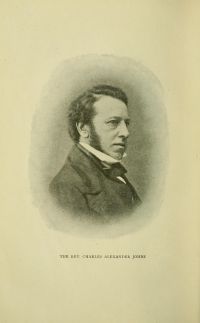
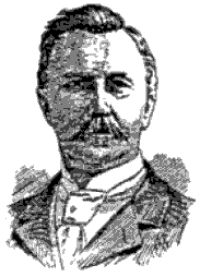
Portrait of Charles Dixon Charles Dixon,  British Sea Birds

“ The Lapwing at the approach of spring retires inland to breed, visiting for the purpose moors, rough lands, water meadows, pastures, and grain fields. The nesting habits of this species are certainly better known than those of any other member of the Plover tribe, at least, as far as British birds are concerned. Every person at all familiar with the common objects of the country, knows the nest of the Lapwing, and must time and again have been amused with the bird’s erratic behaviour, as its breeding grounds are invaded by human intruders. ”
Source: Gutenberg

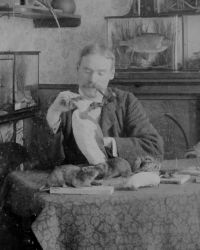
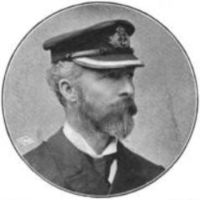
Portrait of W. H. Hudson W. H. Hudson,  Argentine Ornithology, Volume 2…

“ I have seen a Buzzard, which is not considered the bravest of the Hawks, turn quick as lightning on a Cayenne Lapwing, which was pursuing it, and grappling it bear it down to the ground and despatch it in a moment, though a hundred other Lapwings were uttering piercing screams above it. Yet this Plover is a large, powerful, fierce-tempered bird, and armed with sharp spurs on its wings. ”
Source: Gutenberg

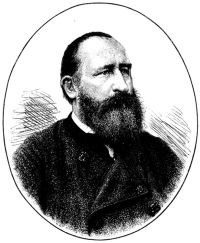
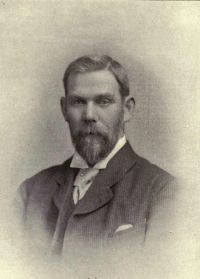
Portrait of Alfred Edmund Brehm Alfred Edmund Brehm,  Cassell's book of birds; vol. 4

“ Both parents exhibit great affection and anxiety for their young, and should a stranger venture to approach the nest, fly around him, and use every endeavour to lure him from the spot, sometimes running as if lame, or fluttering as though with a broken wing to tempt pursuit; nevertheless, in spite of all her arts, the Lapwing's nest is frequently rifled, and numbers of eggs are sent to the London market. ”
Source: Gutenberg

Get perspective with Kwize: daily news enlightened by great literature