The publican, a figure central to the Roman Republic and Empire, was a private contractor and tax collector entrusted with managing public duties, from military supply to infrastructure projects. Organized into profit-driven societies, they operated under competitive contracts, balancing risks and rewards in a system that blurred the lines between state and private enterprise. Though historical accounts often critique their practices, their role remained pivotal in Rome’s administrative framework.
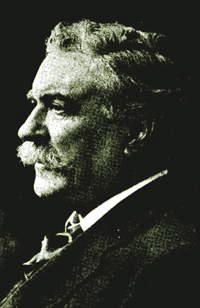
Literary references, such as Huxley’s metaphorical nod to “publican’s opinion” or Proudhon’s reflections on republicanism, indirectly echo the publican’s legacy as a symbol of public accountability and economic power. The decline of their influence with imperial centralization underscores their paradoxical role: both enablers of Roman expansion and harbingers of the tensions between private enterprise and state authority.
 Thomas Henry Huxley,
Science & Education: Essays
Thomas Henry Huxley,
Science & Education: Essays