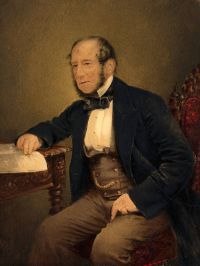
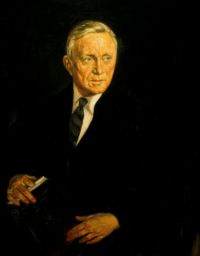
Publicity, the practice of enhancing public visibility or awareness for products, individuals, or organizations, has long been a cornerstone of marketing and communication. From Victor Hugo’s advocacy for a state press to counter chaotic media environments, to Ambrose Bierce’s critique of publicity’s unceasing exposure, authors have wrestled with its dual role as both a strategic instrument and a potential risk.
Henry Watterson acknowledged its fragmented light, while John Morison Copeland highlighted its value in promoting services. These viewpoints underscore how publicity, whether as a means of establishing credibility or a trigger for controversy, remains deeply connected to the dynamic between control and unpredictability in public perception.
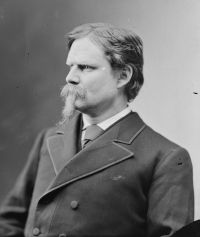 Henry Watterson,
Marse Henry: An Autobiography…
Henry Watterson,
Marse Henry: An Autobiography…