The pawn in chess is the most numerous yet weakest piece, advancing one square at a time and capturing diagonally, with distinctive rules such as en passant and promotion. Outside the game, writers have frequently employed "pawn" as a metaphor for human fragility and social roles. Charles Dickens uses the image of a pawnbroker’s shop to represent dire exchanges, while Vernon L.
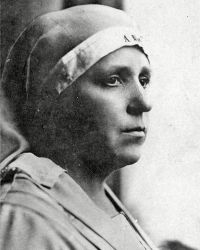
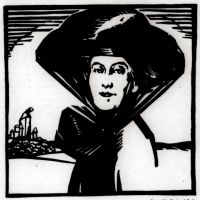
Kellogg compares individuals to pawns guided by fate, highlighting the fight for autonomy. W. H. Maxwell emphasizes the tactical significance of pawns in chess analogies to life’s intricacies. These diverse viewpoints portray the pawn as a symbol of both limitation and hidden potential, illustrating the dynamic between personal control and external influences in human life.
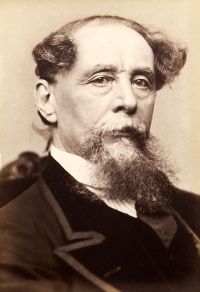 Charles Dickens,
Sketches by Boz — The pawnbroker's shop
(1836)
Charles Dickens,
Sketches by Boz — The pawnbroker's shop
(1836)