Summary

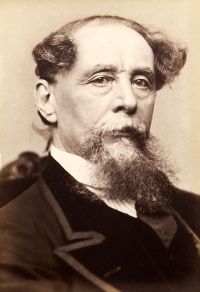
Portrait of Charles Dickens Charles Dickens Sketches by Boz — The pawnbroker's shop (1836)

The pawnbroker’s shop is situated near Drury-Lane, at the corner of a court, which affords a side entrance for the accommodation of such customers as may be desirous of avoiding the observation of the passers-by, or the chance of recognition in the public street. It is a low, dirty-looking, dusty shop, the door of which stands always doubtfully, a little way open: half inviting, half repelling the hesitating visitor, who, if he be as yet uninitiated, examines one of the old garnet brooches in the window for a minute or two with affected eagerness, as if he contemplated making a purchase
Source: Wikisource

Portrait of Charles Dickens Charles Dickens Sketches by Boz — The pawnbroker's shop (1836)

There are grades in pawning as in everything else, and distinctions must be observed even in poverty. The aristocratic Spanish cloak and the plebeian calico shirt, the silver fork and the flat iron, the muslin cravat and the Belcher neckerchief, would but ill assort together; so, the better sort of pawnbroker calls himself a silver-smith, and decorates his shop with handsome trinkets and expensive jewellery, while the more humble money-lender boldly advertises his calling, and invites observation.
Source: Wikisource

Portrait of Charles Dickens Charles Dickens Sketches by Boz — The pawnbroker's shop (1836)

The rich satin gown with its faded trimmings, the worn-out thin shoes, and pink silk stockings, the summer bonnet in winter, and the sunken face, where a daub of rouge only serves as an index to the ravages of squandered health never to be regained, and lost happiness never to be restored, and where the practised smile is a wretched mockery of the misery of the heart, cannot be mistaken.
Source: Wikisource

Get perspective with Kwize: daily news enlightened by great literature