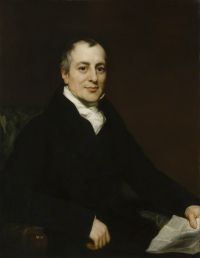
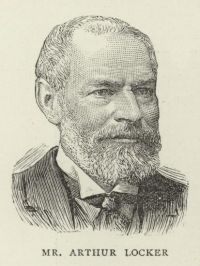
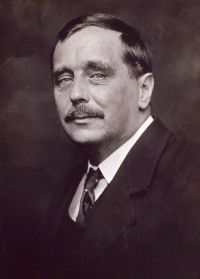
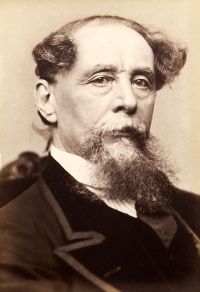
The concept of proprietor refers to an individual or entity that holds ownership of property, assets, or rights to resources, often involving control over their use and distribution. Authors have long grappled with its implications: Pierre-Joseph Proudhon critiques proprietors as parasites or thieves, arguing that ownership separates individuals from productive labor, while Adam Smith and David Ricardo situate proprietors within economic systems, emphasizing their role in capital and land possessions.
William Guthrie’s account reveals practical tensions between workers and proprietors, highlighting dependency, whereas Nikolai Gogol and Charles Dickens examine proprietors’ social influence and moral complexities. These varied perspectives underscore how proprietorship intertwines with labor, ethics, and economic frameworks, revealing both its foundational role and its potential to generate conflict.