Escheat

Definition and stakes

1911 Encyclopædia Britannica, Volume 22… (1911)

“ Britton, in 1292) for the acquirement of property by other means than inheritance or mere act of law, including acquirement by escheat, prescription, occupancy, alienation and forfeiture; more generally, purchase in law means acquisition of land by bargain or sale, according to the law of “vendor and purchaser” (see Conveyancing) . A later development of meaning is found in the use of the word for a mechanical contrivance by which power can be excited or applied, a hold or fulcrum. ”
Source: Wikisource

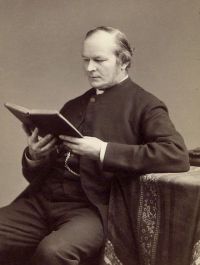
Portrait of F. W. Farrar F. W. Farrar,  The Expositor's Bible: The Second Book of Kings

“ To enter Sheol meant to Hezekiah to pass beyond the cheerful sunshine of earth and the felt presence of God. No more worship, no more gladness there!
"For Sheol cannot praise Thee, Death cannot celebrate Thee;
They that go down into the pit cannot hope for Thy truth."
On every ground, therefore, the feelings of Hezekiah, had he not been a worshipper of God, might have been like those of Mycerinus, and, like that legendary Egyptian king, he might have cursed God before he died.
”
Source: Gutenberg

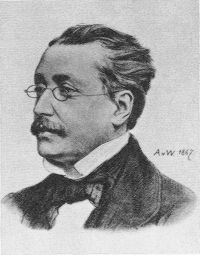
Portrait of Franz Delitzsch Franz Delitzsch,  Biblical commentary the Old Testament…

“ Although, for example, the charge that the land devours men is brought against it by the enemies or adversaries of Israel (אמרים לּכם, they say to you) , the truth of the charge is admitted, since it is said that the land shall henceforth no more devour men, though without a repetition of the שׁכּל. But the sense in which Ezekiel affirms of the land that it had been אכלת אדם, and was henceforth to be so no more, is determined by וגויך לא תכשׁלי אוד, thou wilt no more cause thy people to stumble, which is added in Eze 36:14 in the place of משׁכּלת גּויך היית in Eze 36:14. ”
Source: Wikisource

Get perspective with Kwize: daily news enlightened by great literature