Divine judgment refers to the moral evaluation of humanity by a deity, central to religious and spiritual traditions. Ancient Sumerians believed gods like Utu and Inanna upheld justice, while Egyptian texts like the Book of the Dead outlined posthumous trials. In Judaism, it involves daily moral assessments and a final reckoning, as seen in the Book of Enoch.
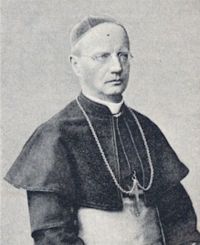
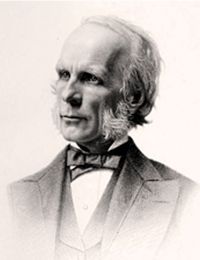
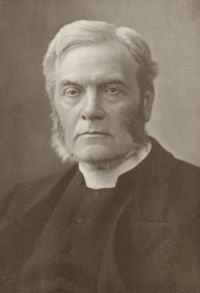
Christian theologians, such as Thomas Aquinas, described it as a balance of divine justice and mercy, with judgments both immediate and eschatological. Authors like Alexander Maclaren and Math Josef Frings stressed its role in guiding ethical life, while Friedrich Knecht underscored its universal reach. Across cultures, divine judgment emphasizes accountability, linking justice, repentance, and the ultimate restoration of moral order.
 Alexander Maclaren,
Expositions of Holy Scripture
Alexander Maclaren,
Expositions of Holy Scripture