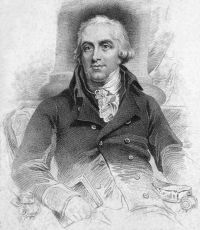
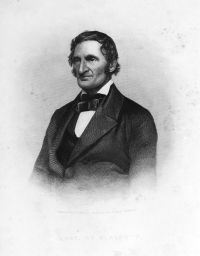
The concept of prescription encompasses both medical directives and legal mandates, reflecting its dual role in healthcare and jurisprudence. In medicine, authors like Albert Leffingwell highlight the variability of prescriptions, noting divergent treatments for identical ailments, while Michel de Montaigne underscores physicians’ tendency to change each other’s remedies.
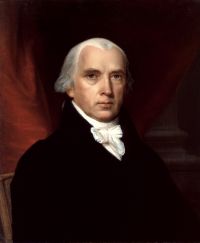
Legally, James Madison’s Federalist critiques conflicting "prescriptions" for governance, paralleling debates over regulatory frameworks. Meanwhile, legal texts such as the Ryan Haight Act and James Williams’ analysis of the Prescription Act reveal tensions between medical independence and statutory control. These perspectives collectively illustrate prescription as a dynamic instrument shaped by expertise, authority, and societal norms.
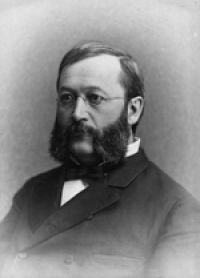 Albert Leffingwell,
An ethical problem; or, Sidelights upon scientific experimentation on man and animals
Albert Leffingwell,
An ethical problem; or, Sidelights upon scientific experimentation on man and animals