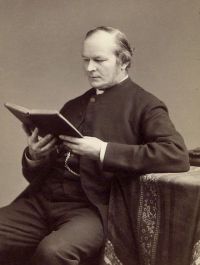
Lucius Annaeus Seneca

Definition and stakes

Henry Francis Colby Under Cæsars' Shadow

The youth and early manhood of the famous writer and philosopher, Lucius Annæus Seneca, fell within the twenty-three years of the reign of Tiberius. He had been born seven years before the Christian era, at Cordova, in Spain. His father was a man of knightly rank; and his mother, Helvia, a Spanish lady, is praised by her son for the nobility and sweetness of her character. They were people of wealth, and had cultivated tastes.
When Seneca was still a babe only two years old the family migrated to Rome. He had two brothers,—Marcus Annæus Novatus and Lucius Annæus Mela.
Source: Gutenberg

Robert Drew Hicks 1911 Encyclopædia Britannica (1911)

Lucius Annaeus Seneca (c. 54 B.C.–A.D. 39) , called Seneca “the elder” or “the rhetorician,” belonged to a well-to-do equestrian family of Corduba. His praenomen is uncertain, but in any case Marcus is an arbitrary conjecture of Raphael of Volterra. During a lengthy stay on two occasions at Rome he attended the lectures of famous orators and rhetoricians, to prepare for an official career as an advocate. His ideal orator was Cicero, and he disapproved of the florid tendencies of the oratory of his time.
Source: Wikisource

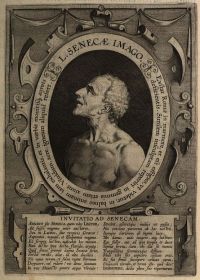
Portrait of Seneca Seneca On Benefits — Book IV

Whither-soever you turn yourself you will see him meeting you: nothing is void of him, he himself fills his own work. Therefore, most ungrateful of mortals, it is in vain that you declare yourself indebted, not to God, but to nature, because there can be no God without nature, nor any nature without God; they are both the same thing, differing only in their functions. If you were to say that you owe to Annaeus or to Lucius what you received from Seneca, you would not change your creditor, but only his name, because he remains the same man whether you use his first, second, or third name.
Source: Wikisource

Get perspective with Kwize: daily news enlightened by great literature