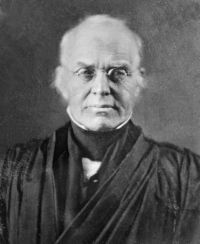
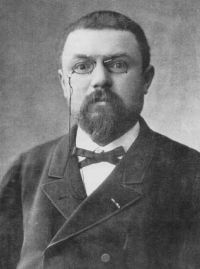
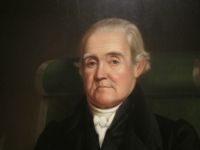
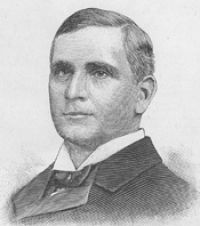
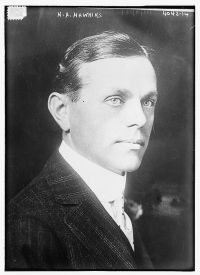
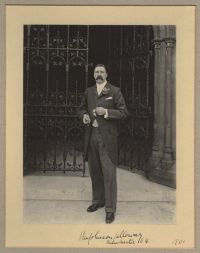
The term "check" refers to a crucial situation in chess where a player's king is directly under threat, requiring immediate action to avoid capture. This idea, fundamental to chess strategy, also transcends the game, as examined by writers such as Joseph Story, who viewed it as a constitutional safeguard, or Henri Poincaré, who highlighted its function in scientific validation.
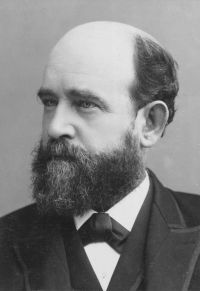
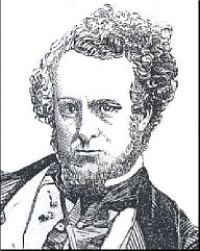
Jerome Buell Lavay associated it with financial oversight, while Samuel Butler reflected on its philosophical dimensions in human comprehension. These diverse viewpoints demonstrate how "check" operates not only as a tactical requirement but also as a metaphor for equilibrium, restraint, and confirmation across various fields. The convergence of these interpretations underscores its lasting importance as a tool for regulation and rectification in organized systems.