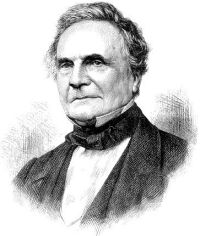
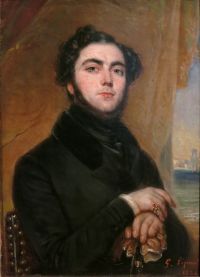
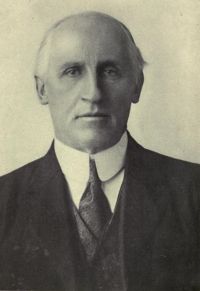
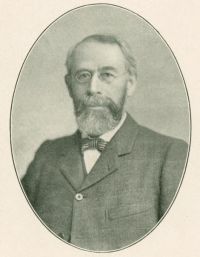
Wholesale refers to the sale of goods or services in bulk to businesses, rather than to end consumers, serving as a vital link between producers and retailers. This intermediary role has been examined by economists and thinkers such as Adam Smith, who classified wholesale trade into domestic, foreign, and carrying trade, highlighting its function in redistributing a nation’s output. Frédéric Bastiat regarded wholesale transactions as forms of barter, simplifying commerce to exchanges of products and services.
Robert Folkestone Williams emphasized the dependence on credit and the abstract nature of wealth in wholesale systems, while Paul Henry Nystrom pointed out the speculative elements of bulk trading in commodities like grain and cotton. These viewpoints together illustrate how wholesale operates as both an economic process and a foundational component of global trade networks, promoting efficiency and specialization across industries.
 Adam Smith,
The Wealth of Nations
(1902)
Adam Smith,
The Wealth of Nations
(1902)