Probity

Definition and stakes

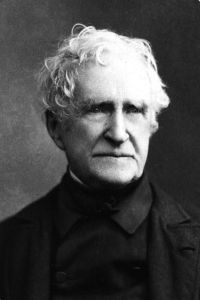
Portrait of James Frederick Ferrier James Frederick Ferrier,  Philosophical Works of the Late James Frederick Ferrier (1888)

“ The advantage of probity, therefore, according to the sophists, who sometimes reasoned boldly on these points, although at other times they endeavoured to hide the extreme to which their principles carried them, did not centre in itself, but in what was exterior to itself, namely, in the honours and rewards which probity procured for the man who practised it. ”
Source: Wikisource

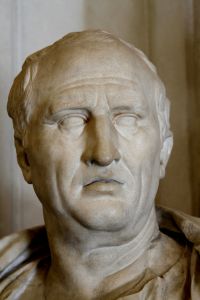
Portrait of Marcus Tullius Cicero Marcus Tullius Cicero,  The Academic Questions, Treatise De Finibus…

“ Wherefore, if, as you granted in the beginning, infamy is worse than pain, pain is certainly nothing; for while it appears to you base and unmanly to groan, cry out, lament, or faint under pain—while you cherish notions of probity, dignity, honour, and keeping your eye on them, refrain yourself—pain will certainly yield to virtue, and by the influence of imagination, will lose its whole force.—For you must either admit that there is no such thing as virtue, or you must despise every kind of pain. ”
Source: Gutenberg

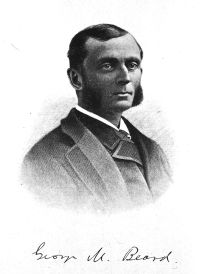
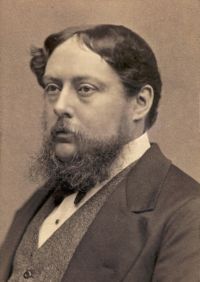
Portrait of George Miller Beard George Miller Beard,  Popular Science Monthly (1878)

“ Disagreeing widely on other and far less important departments, all schools, and languages, and ages—writers on law, on logic, on science—agree in accepting what is called the evidence of the senses, although, as we have seen, the senses of themselves can give us no evidence of anything whatsoever; and in this, likewise, there is passive if not active agreement—that the first qualification of a witness is honesty, and that the concurrence of testimony of large numbers is a solid basis for belief. ”
Source: Wikisource

Get perspective with Kwize: daily news enlightened by great literature