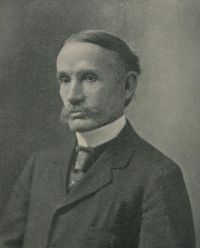
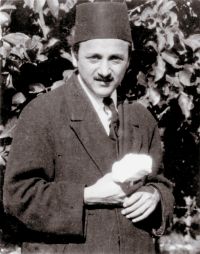
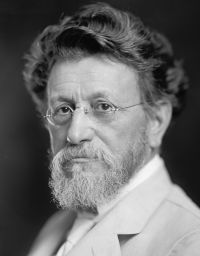
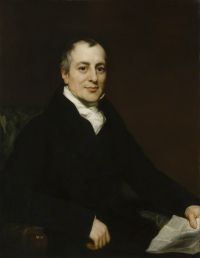
Economic theory, a foundational element of economics, aims to clarify the creation, allocation, and use of goods and services through systematic examination. It includes microeconomic analyses of individual actors and markets, as well as macroeconomic structures, integrating descriptive and prescriptive methods. Scholars such as Sir Hubert Douglas Henderson stressed the importance of placing economic phenomena within a wider context, while John Bates Clark concentrated on the processes of production and the determination of income in competitive settings.
Boyd Henry Bode connected speculation with market forces, and Louis F. Post emphasized the role of labor in defining value and commerce. These varied viewpoints illustrate how economic theory offers models to examine human conduct, the distribution of resources, and the consequences of policy decisions, demonstrating both its methodological precision and flexibility across different historical and philosophical settings.