George Lyman Kittredge

Biographical details

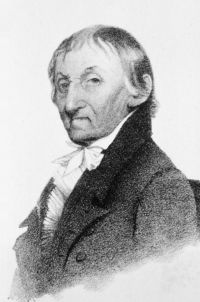
Portrait of George Lyman Kittredge George Lyman Kittredge The American Historical Review (1917)

In considering the tenacity of the popular belief on this subject, we should never forget that the essence of witchcraft is maleficium. The hatred and terror which a witch evokes is due to her will and her power to inflict bodily injury. Compacts with the devil, the suckling of imps, the violation of graves, the abominations of the Witches' Sabbath—these are mere incidentals, the paraphernalia of the art. They aggravate the offense, to be sure, and proof that a woman is implicated in such horrors may send her to the scaffold or the stake.
Source: Wikisource

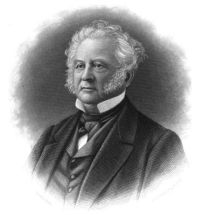
Portrait of George Lyman Kittredge George Lyman Kittredge Notes on witchcraft (1907)

It is astonishing that there should have been only half-a-dozen executions for witchcraft in Massachusetts before 1692, and equally astonishing that the delusion, when it became acute, should have raged for but a year, and that but twenty-two persons should have lost their lives. The facts are distinctly creditable to our ancestors,—to their moderation and to the rapidity with which their good sense could reassert itself after a brief eclipse.
Source: Gutenberg

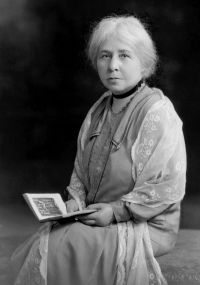
Portrait of George Lyman Kittredge George Lyman Kittredge Notes on witchcraft (1907)

Still, commonplaces are occasionally steadying to the intellect, and Dr. Johnson—whose own truths have been characterized by a brilliant critic as “too true”—knew what he was about when he said that men usually need not so much to be informed as to be reminded.
The darkest page of New England history is, by common consent, that which is inscribed with the words Salem Witchcraft. The hand of the apologist trembles as it turns the leaf. The reactionary writer who prefers iconoclasm to hero-worship sharpens his pen and pours fresh gall into his inkpot when he comes to this sinister subject.
Source: Gutenberg

Get perspective with Kwize: daily news enlightened by great literature