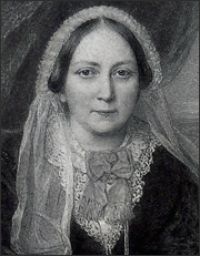
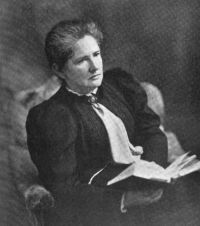
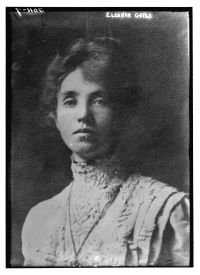
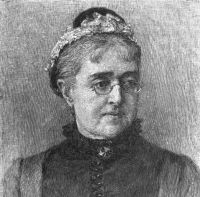
A closet, traditionally defined as an enclosed storage space within a building, serves practical purposes in architecture, from built-in wardrobes to utility rooms. Historically, it also denoted private, introspective spaces in medieval homes. Literature frequently employs the closet as a symbolic setting: Louisa May Alcott likened it to a "Blue Beard cupboard," evoking mystery and hidden dangers, while Mrs.
Henry Wood described it as a refuge for emotional comfort. Fernande Blaze de Bury portrayed it as a secret recess with an inward-opening door, suggesting themes of concealment, and Laura E. Richards depicted its spatial transformation, blurring boundaries between restriction and expansion. These varied portrayals underscore the closet’s dual role—as both a functional structure and a metaphor for concealed realities, personal sanctuary, or psychological strain.