Geld

Definition and stakes

Charles Parkin,  History of Norfolk — Volume 6

“ The manor called Tortune, afterwards Midleton's, Herlewin had it in the Confessor's time, and was of the same value with Botune manor; to this the Conqueror, when he gave it to Rainald-Fitz-Ivo added 2 socmen, which belonged formerly to Herold, and were valued with Causton manor.
William de Schoies, or Scot, had a socman here, and the church had 9 acres of glebe, then valued at 6d. per annum only, and a 3d part of its advowson belonged to these three several parts of the village, the whole of which was then half a mile long, and as much broad, and paid 7d. geld.
”
Source: Wikisource

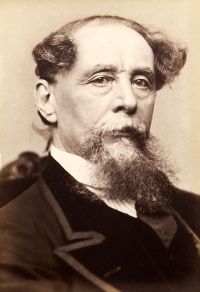
Portrait of Charles Dickens Charles Dickens,  The Uncommercial Traveller

“ When I draw money, it never seems so much money as when it is shovelled at me out of a bright copper shovel. I like to say, ‘In gold,’ and to see seven pounds musically pouring out of the shovel, like seventy; the Bank appearing to remark to me—I italicise appearing—‘if you want more of this yellow earth, we keep it in barrows at your service.’ To think of the banker’s clerk with his deft finger turning the crisp edges of the Hundred-Pound Notes he has taken in a fat roll out of a drawer, is again to hear the rustling of that delicious south-cash wind. ”
Source: Gutenberg

Jane Eayre Fryer,  Our Town and Civic Duty

“ You are paid for your labor or your goods, not in other labor or goods, but in money, which you can carry in your pocket or keep in the bank. And with this money you can buy whatever you need.
Money enables you to leave in the bakery the three hundred loaves of bread you earned, and to buy a loaf as you need it.
Money, then, takes the place of goods, because it can be exchanged for them. To lose or waste money is the same as losing or wasting the goods that money will buy.
A family would be considered foolish to throw enough money to buy a loaf of bread into the river.
”
Source: Gutenberg

Get perspective with Kwize: daily news enlightened by great literature