Tithing

Definition and stakes

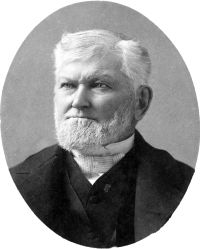
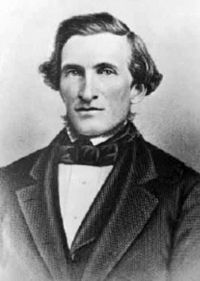
Portrait of Brigham Young Brigham Young,  Discourses of Brigham Young

“ Pay your tithing, just because you like to, not unless you want to. They say we cut people off the Church for not paying tithing; we never have yet, but they ought to be. God does not fellowship them. The law of tithing is an eternal law. The Lord Almighty never had his Kingdom on the earth without the law of tithing being in the midst of his people, and he never will. It is an eternal law that God has instituted for the benefit of the human family, for their salvation and exaltation. ”

Source: Gutenberg

Joseph F. Smith,  Journal of Discourses — Volume 20…

“ The law of tithing is a commandment with promise of reward for obedience. No man ever observed this law but he was blessed in so doing, for God is both able and willing to fulfill all his promises when the conditions are complied with on our part. Those duties which God requires may seem a burden to the disobedient and unfaithful, but to the willing and obedient they are sources of blessing, pleasure and delight and are no burden at all. Our burdens become lighter in proportion to our increasing faithfulness. ”
Source: Wikisource

A Compendium of the Doctrines of the Gospel

“ In the present dispensation the law of tithing was revived, and the keeping of that law is one of the first duties of the Latter-day Saints. About eighteen months after the organization of the church, September 11, 1831, the Lord, through Joseph the Seer, made this important declaration. Speaking after the manner of the Lord, he called "to-day," from the giving of the revelation until the coming of the Son of Man, and said, "Verily I say unto you, it is a day of sacrifice, and a day for the tithing of my people; for he that is tithed shall not be burned. For after to-day cometh the burning." ”
Source: Gutenberg

Get perspective with Kwize: daily news enlightened by great literature