Kidney

Definition and stakes

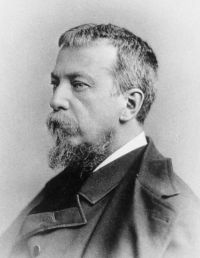
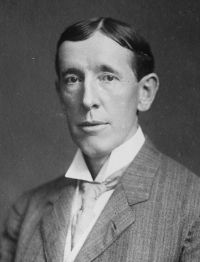
Portrait of E. F. Benson E. F. Benson,  Dodo: A Detail of the Day. Volumes 1 and 2

“ Have some tea, and give me another kidney —two, I think. What happens to the sheep after they take its kidneys out? Do you suppose it dies? I wonder if they put india-rubber kidneys in. Kidneys do come from sheep, don't they? Or is there a kidney tree? Kidneys look like a sort of mushroom, and I suppose the bacon is the leaves, Kidnonia Baconiensis; now you're doing Latin, Chesterford, as you used to at Eton. I daresay you've forgotten what the Latin for kidneys is. I should like to have seen you at Eton, Chesterford. ”
Source: Gutenberg

H. W. Conn,  The Story of the Living Machine

“ In the kidneys are a large number of bits of living matter (kidney cells) , which have the power of seizing hold of the urea as the blood is flowing over them, and after thus taking it out of the blood they deposit it in a series of tubes which lead to the bladder and hence to the exterior. The bringing of this ash to the kidney cell is a mechanical matter, based simply upon the flow of the blood. The seizing of the urea by the kidney cell is a vital phenomenon which we must waive for the moment. ”
Source: Gutenberg

John R. Bradford & Edmund Owen,  1911 Encyclopædia Britannica (1911)

“ But more usually the organ is loose under the peritoneum, and not efficiently supported in its fatty bed. Movable kidney produces a variety of symptoms, such as pain in the loin and back, faintness, nausea and vomiting—and the function of the organ may be seriously interfered with, owing to the ureter becoming kinked. In this way hydronephrosis, or distension of the kidney with urine, may be produced. The return of blood through the renal vein may also be hindered, and temporary vascular engorgement of the kidney, with haematuria, may be produced. ”
Source: Wikisource

Get perspective with Kwize: daily news enlightened by great literature