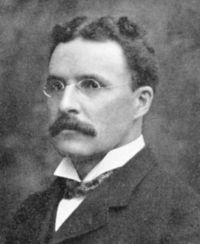
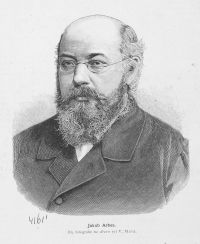
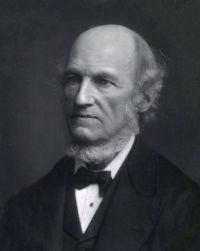
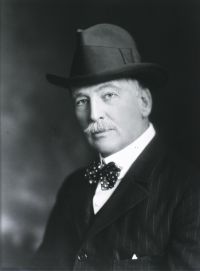
The cortex, in lithic analysis, refers to the outer layer of rock formed through weathering, often used to evaluate stages of tool reduction. However, scholars such as William James, C. Lloyd Morgan, and George Herbert Betts examined the term in neurological contexts, investigating the cerebral cortex's role in perception, emotion, and consciousness.
James associated cortical activity with sensory and emotional processes, while Morgan questioned whether the complexity of grey matter gives rise to self-awareness. Betts highlighted the cortex's dynamic balance of tensions, producing sensations and thoughts. Although geological and neurological definitions differ, the evidence underscores the cortex's dual significance as both a physical remnant and a center of mental activity.