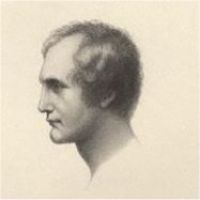
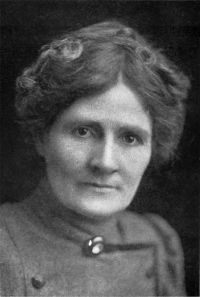
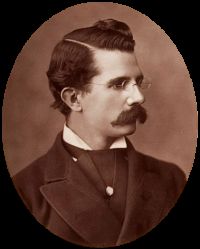
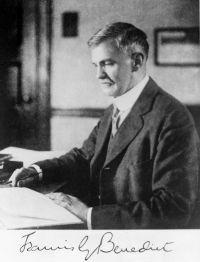
Expectoration, the process of expelling mucus or phlegm from the respiratory system, has long been central to medical discussion, functioning both as a symptom and an indicator for diagnosis. From Hippocrates’ predictive observations connecting expectoration with mortality in The Book of Prognostics to Southwood Smith’s detailed clinical records on its changing consistency and quantity in A Treatise on Fever, writers have emphasized its importance in evaluating the seriousness of illness.
Benjamin Rush associated expectoration with the development of pneumonia and consumption, while James J. Walsh stressed its role in the spread of tuberculosis and its psychological impact. These differing viewpoints highlight expectoration as a vital tool for understanding respiratory diseases, linking historical medical practices with contemporary research.