Transpiration

Definition and stakes

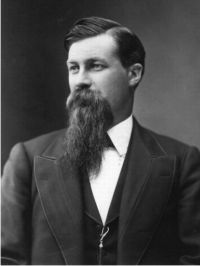
Portrait of L. H. Bailey L. H. Bailey,  Beginners' botany (1921)

“ Transpiration.—Much more water is absorbed by the roots than is used in growth, and this surplus water passes from the leaves into the atmosphere by an evaporation process known as transpiration. Transpiration takes place more abundantly from the under surfaces of leaves, and through the pores or stomates. A sunflower plant of the height of a man, during an active period of growth, gives off a quart of water per day. A large oak tree may transpire 150 gallons per day during the summer. ”
Source: Gutenberg

Various,  The Quarterly Journal of Science…

“ Therefore the cause of the phenomenon of transpiration seems to be referrible entirely to physical agents. The motion of the air seems to be its exciting cause; for even when, to all appearance, it is calm, it is in reality agitated more or less, and produces a sensible evaporation from the skin. But the difference between the effect of calm and agitated air is remarkable; for in a draft, the animals exposed to it sweated away double the quantity of liquid compared with those confined in a room shut up. ”
Source: Gutenberg

Various,  The Quarterly Journal of Science…

“ A rapid and abundant transpiration from the body, united with deficiency of air, seems to be a greater cause of dissolution than confinement in solid substances wherein there is no waste by transpiration.
The author’s inquiries are next directed to the influence of temperature upon animals of cold blood, and two and forty experiments are practised upon this subject, from the month of July to September following, during which period frogs were submersed in aërated water, with a view of settling the duration of life, acted on by varieties of temperature.
”
Source: Gutenberg

Get perspective with Kwize: daily news enlightened by great literature