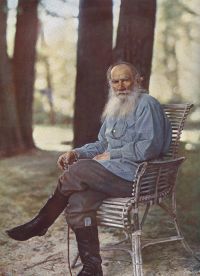
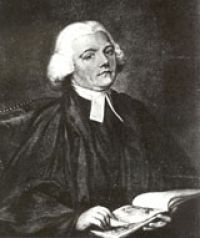
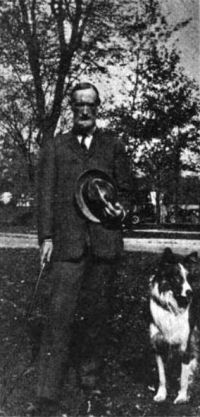
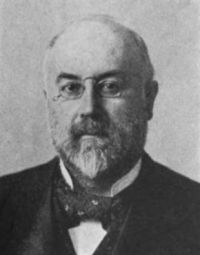
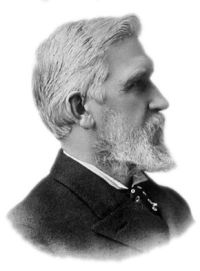
Freezing, the process of changing from liquid to solid through extreme cold, has been a recurring theme in literature, reflecting both natural phenomena and human experience. Authors like Henry David Thoreau observed the aesthetic details of ice formations, while Leo Tolstoy conveyed its dangerous intensity in The Snowstorm.
Scientific writers, such as Worthington Hooker, examined its climatic importance, and Charles Francis Hall recorded its profound effects in polar regions. From poetic depictions of frost-covered landscapes to studies of freezing's role in shaping ecosystems, these works together highlight how the theme connects natural science, existential thought, and the sublime beauty of winter's transformations.