Summary

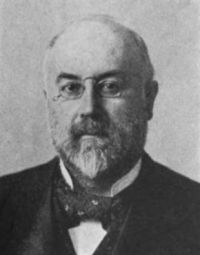
Portrait of Edwin Swift Balch Edwin Swift Balch Glacières; or, Freezing Caverns

The cavern is lighted by electricity, which has the merit, even if it brings in an element of artificiality, of clearly revealing one of the chief glories of Dóbsina. This is the rime or hoar frost, which in the shape of ice or snow crystals, covers the entire limestone roof, and, reflecting the electric light, shines like frosted silver. Some of these frost crystals seem to be precipitated to the floor, and in one place I found a small sheet of them, perhaps two meters in width each way, which looked and felt like genuine snow.
Source: Gutenberg

Portrait of Edwin Swift Balch Edwin Swift Balch Glacières; or, Freezing Caverns

Petruzzi says also: “One leaves the abundant vegetation of the Alpine summer flora, and through bushes and dwarf underbrush, through bare and half moss covered rocks and débris, through rotten and twisted tree stems, one comes to the hall of eternal winter, where the microscopic mosses of the north surround the thousand year old stalactites, hanging from the dripping vault, with an always passing, always freshly forming, tender sulphur colored down.” Dr. Schwalbe has also examined this cave.
Source: Gutenberg

Portrait of Edwin Swift Balch Edwin Swift Balch Glacières; or, Freezing Caverns

The nature of the cave has this of remarkable, that, when outside the winter freezes strongest, inside the air is balmy: but it is cold, even icy, when the sun shines warmest. As soon as the snow melts and spring begins, the inner roof of the cave, where the midday sun strikes the outside, begins to sweat clear water, which drops down here and there; through the power of the inner cold it turns to transparent ice and forms icicles, which in thickness equal large barrels and take wonderful shapes.
Source: Gutenberg

Get perspective with Kwize: daily news enlightened by great literature