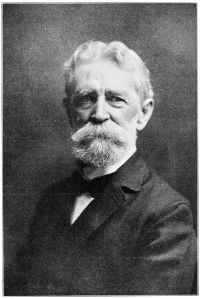
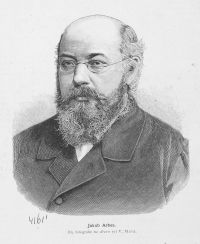
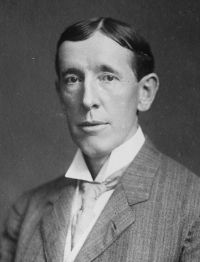
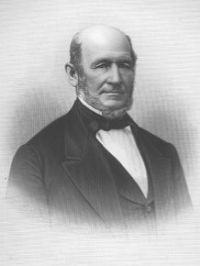
In botany, a lobe refers to a rounded, shallow division of a leaf blade, distinct from sharp serrations and typically without a separate stalk. This concept extends beyond plants, as seen in literary and scientific contexts. Henry David Thoreau evokes lobes as natural forms in Walden, comparing the hand to a palm leaf, while John Bernhard Smith defines them in entomology as anatomical features in insects.
George Herbert Betts outlines brain lobes in The Mind and Its Education, and Nehemiah Grew describes plant radicle lobes as root-forming segments. From anatomy to geology, the term highlights structural division, illustrating a flexible framework for describing organic and natural shapes across various fields.
 Henry David Thoreau,
Walden
(1854)
Henry David Thoreau,
Walden
(1854)