Summary

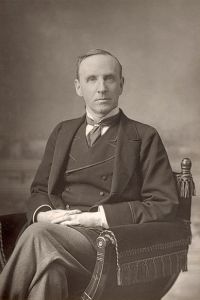
Portrait of John Morley John Morley Critical Miscellanies (Vol. 2 of 3…

Would it not have been more consistent with belief in human goodness to refer the doctrine to a merciful and affectionate and truly humanising anxiety to assuage the horrors of what is perhaps the most frightful idea that has ever corroded human character, the idea of eternal punishment? We could in part have pardoned Condorcet if he had striven to invent ever so fanciful origins for opinions and belief in his solicitude for the credit of humanity. As it is, he distorts the history of religion only to humanity’s discredit.
Source: Gutenberg

Portrait of John Morley John Morley Critical Miscellanies (Vol. 2 of 3…

He ventures to link them with the eternal chain of the destinies of man: it is there that he finds the true recompense of virtue, the pleasure of having done a lasting good. Fate can no longer undo it by any disastrous compensation that shall restore prejudice and bondage. This contemplation is for him a refuge, into which the recollection of his persecutors can never follow him; in which, living in thought with man reinstated in the rights and the dignity of his nature, he forgets man tormented and corrupted by greed, by base fear, by envy
Source: Gutenberg

Portrait of John Morley John Morley Critical Miscellanies (Vol. 2 of 3…

Voltaire during his life enjoyed to the full not only the admiration that belongs to the poet, but something of the veneration that is paid to the thinker, and even something of the glory usually reserved for captains and conquerors of renown. No other man before or since ever hit so exactly the mark of his time on every side, so precisely met the conditions of fame for the moment, nor so thoroughly dazzled and reigned over the foremost men and women who were his contemporaries. Wherever else intellectual fame has approached the fame of Voltaire, it has been posthumous.
Source: Gutenberg

Get perspective with Kwize: daily news enlightened by great literature