Encyclopédie

Definition and stakes

James Wood The Nuttall Encyclopædia — E

Encyclopédie, a French encyclopædia consisting of 28 vols., to which a supplement of 5 vols. was added; edited by D'Alembert and Diderot; contributed to by a number of the eminent savants of France, and issued in 1751-1777, and which contributed to feed, but did nothing to allay, or even moderate, the fire of the Revolution.
Encyclopedist, generally a man of encyclopedic knowledge, or who conducts or contributes to an encyclopædia; specially one who has, as the French encyclopedists, an overweening, false, and illusory estimate of the moral worth and civilising power of such knowledge.
Source: Wikisource

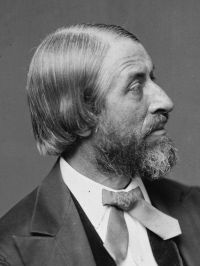
Portrait of Hippolyte Taine Hippolyte Taine The Modern Regime, Volume 2

Thus, a sort of oral encyclopedia is organized, an universal exposition of human knowledge, a permanent exposition constantly renewed and open, to which its visitors, provided with a certificate of average instruction as an entrance ticket, will see with their own eyes, besides established science that which is under of formation, besides discoveries and proofs the way of discovering and proving, namely the method, history and general progress, the place of each science in its group, and of this group its place in the general whole.
Source: Gutenberg

James J. Walsh Catholic Churchmen in Science…

It is a commonplace of the lecturer on popular science at the present day, that the impulse to the development of our modern scientific discoveries which became so marked toward the end of the eighteenth century, was due in a noteworthy degree to the work of the French Encyclopedists. Their bringing together of all the details of knowledge in a form in which it could be readily consulted, and in which previous progress and the special lines of advance could be realized, might be expected to prove a fruitful source of suggestive investigation.
Source: Gutenberg

Get perspective with Kwize: daily news enlightened by great literature