Summary

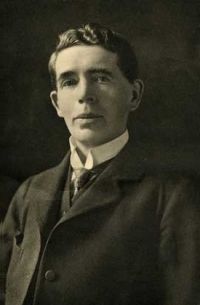
Portrait of J. B. Bury J. B. Bury The Idea of Progress: An Inquiry into Its Origin and Growth

Antiquity, he says, was not so happy or so learned or so rich or so stately as the modern age, which is really the mature old age, and as it were the autumn of the world, possessing the fruits and the spoils of all the past centuries, with the power to judge of the inventions, experiences, and errors of predecessors, and to profit by all that. The ancient world was a spring which had only a few flowers. Nature indeed, in all ages, produces perfect works but it is not so with the creations of man, which require correction; and the men who live latest must excel in happiness and knowledge.
Source: Gutenberg

Portrait of J. B. Bury J. B. Bury The Idea of Progress: An Inquiry into Its Origin and Growth

I own that I consider myself fortunate to know the happiness we enjoy; it is a great pleasure to survey all the past ages in which I can see the birth and the progress of all things, but nothing which has not received a new increase and lustre in our own times. Our age has, in some sort, arrived at the summit of perfection. And since for some years the rate of the progress is much slower and appears almost insensible—as the days seem to cease lengthening when the solstice is near—it is pleasant to think that probably there are not many things for which we need envy future generations.
Source: Gutenberg

Portrait of J. B. Bury J. B. Bury The Idea of Progress: An Inquiry into Its Origin and Growth

Civilisation has been organised here and there, now and then, up to a certain point; there have been eras of rapid progress, but how can we be sure that these are not episodes, themselves also fortuitous? For growth has been followed by decay, progress by regress; can it be said that history, authorises the conclusion that reason will ever gain such an ascendancy that the play of chance will no longer be able to thwart her will? Is such a conclusion more than a hope, unsanctioned by the data of past experience, merely one of the characteristics of the age of illumination?
Source: Gutenberg

Get perspective with Kwize: daily news enlightened by great literature