Jacobins

Definition and stakes

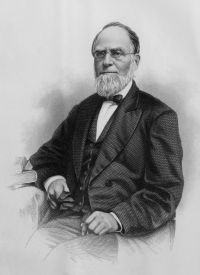
Portrait of Eugène Sue Eugène Sue,  The Sword of Honor; or, The Foundation of the French Republic

“ The Club of the Jacobins was the political school of the proletariat; it was there that the workingmen took direct hold of public affairs; it was in the midst of its tempestuous debates that the opinion of the people cleared itself and took form, whence it often went to weigh, with no negligible force, upon the deliberations of the National Assembly. It was from the heights of the ringing tribunal of the Jacobins that the vigilant citizens watched and heralded the manoeuvres of our enemies, and kept their eyes on the public functionaries ”
Source: Gutenberg

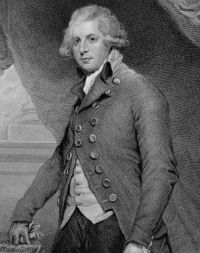
Portrait of John Foxe John Foxe,  Fox's Book of Martyrs

“ As a political sect, the Jacobins can be compared to none that ever existed, for none but themselves ever thought of an organized, regular, and continued system of murdering and plundering the rich, that they might debauch the poor by the distribution of their spoils. They bear, however, some resemblance to the frantic followers of John of Leyden and Knipperdoling, who occupied Munster in the seventeenth century, and committed, in the name of religion, the same frantic horrors which the French Jacobins did in that of freedom. ”
Source: Gutenberg

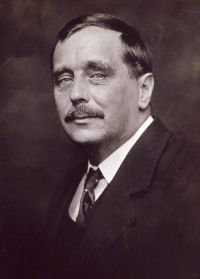
Portrait of Hippolyte Taine Hippolyte Taine,  The Modern Regime, Volume 1

“ Instinctively, as well as by doctrine and tradition, the Jacobins are exacting, disposed to regard themselves as the representatives of the real and the ideal people, that is to say, as sovereigns by right, above the law, entitled to make it and therefore to unmake it, or, at least, strain it and interpret it as they please. ”
Source: Gutenberg

Get perspective with Kwize: daily news enlightened by great literature