“ Prominent among these fanatics, raised to power by the very suddenness of events, was Maximilien de Robespierre, once the young secretary of Monsieur de Pontivy, now styled simply Robespierre, President of the National Assembly, or Convention, the most powerful and most dreaded of the twelve conventionnels who, under the name of members of the Committee of Public Safety, ruled the destinies of France. History is the romance of nations, more abundant in wild improbabilities than the most extravagant fairy tale ”
Maximilien de Robespierre
Definition and stakes
Maximilien de Robespierre, a radical Jacobin leader and key figure of the French Revolution (1758–1794), promoted equality, the end of slavery, and universal male suffrage, while emphasizing revolutionary virtue as the foundation of governance. His speeches portrayed terror as a necessary means to protect liberty from tyranny, yet his involvement in the Reign of Terror and his eventual execution remain controversial.
Authors like Ange Galdemar portrayed him as a powerful but unpredictable leader, while his own words stressed the moral duty of the Republic. Contemporary accounts, such as those in The Catholic World, highlighted the tragic conclusion of his rule. Robespierre’s legacy persists as a paradox: a champion of radical democracy caught in the very violence he aimed to eliminate, continuing to influence ongoing discussions about the price and principles of revolution.
Quotes about “Maximilien de Robespierre”
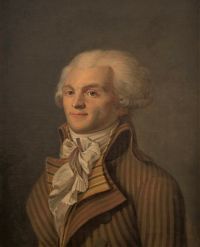 Maximilien Robespierre,
Speeches of Maximilien Robespierre
(1927)
Maximilien Robespierre,
Speeches of Maximilien Robespierre
(1927)
“ In the heat of an impassioned speech, Robespierre on one occasion defined the enthusiasm of the French Revolution in the following terms: "Indeed, gentlemen, it does state this absolute irresistible feeling, this profound aversion to tyranny, this enthusiasm for the oppressed, this great and profound love for mankind, without which no revolution can be anything else than a frightful crime annihilating a previous crime. Yes, indeed, we have the ambition to found the first republic in the world; we have the ambition to produce that which no man has ever produced before." ”
Maximilien Robespierre,
Speeches of Maximilien Robespierre
(1927)
“ It has been said that terror is the means by which a despotic government rules. Has your rule anything in common with such a government? Yes, indeed, but only in the sense that the sword in the hands of the protagonists of liberty resembles the sword in the hands of the champion of tyranny. When despots rule because their subjects are terrified, the despots are justified—as despots. You put down all the enemies of freedom by means of terror, and you are justified—as founders of the Republic. The government of the Revolution is the despotism of liberty against tyranny. ”
Related terms
Authors who wrote about “Maximilien de Robespierre”
Ange Galdemar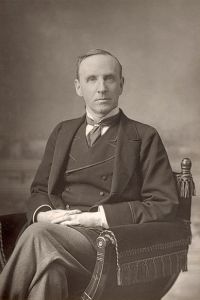 John MorleySir Charles Edward Mallet
 Hippolyte Taine
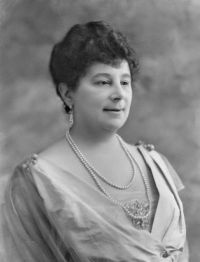 Baroness Orczy
 Gustave Le BonVariousMaximilien RobespierreBaroness Emmuska Orczy Orczy
 Alexandre Dumas
 Anatole France
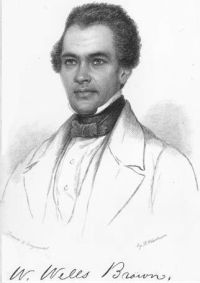 William Wells Brown
 John S. C. Abbott
 Hilaire BellocP. Austin NuttallMary Platt Parmele
 Sidney Hook
 Matilda Betham-Edwards
 John FoxeJohn Hubert Greusel
John MorleySir Charles Edward MalletHippolyte TaineBaroness OrczyGustave Le BonVariousMaximilien RobespierreBaroness Emmuska Orczy OrczyAlexandre DumasAnatole FranceWilliam Wells BrownJohn S. C. AbbottHilaire BellocP. Austin NuttallMary Platt ParmeleSidney HookMatilda Betham-EdwardsJohn FoxeJohn Hubert Greusel