Summary

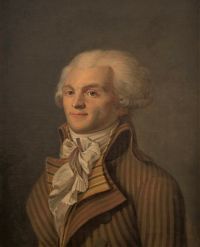
Portrait of Maximilien Robespierre Maximilien Robespierre Report on the Principles of Political Morality (1794)

Is not this dreadful contest, which liberty maintains against tyranny, indivisible? Are not the internal enemies the allies of those in the exterior? The assassins who lay waste the interior; the intriguers who purchase the consciences of the delegates of the people: the traitors who sell them; the mercenary libellists paid to dishonor the cause of the people, to smother public virtue, to fan the flame of civil discord, and bring about a political counter revolution by means of a moral one; all these men, are they less culpable or less dangerous than the tyrants whom they serve?
Source: Wikisource

Portrait of Maximilien Robespierre Maximilien Robespierre Report on the Principles of Political Morality (1794)

We wish, in a word, to fulfill the intentions of nature and the destiny of man, realize the promises of philosophy, and acquit providence of a long reign of crime and tyranny. That France, once illustrious among enslaved nations, may, by eclipsing the glory of all free countries that ever existed, become a model to nations, a terror to oppressors, a consolation to the oppressed, an ornament of the universe and that, by sealing the work with our blood, we may at least witness the dawn of the bright day of universal happiness.
Source: Wikisource

Portrait of Maximilien Robespierre Maximilien Robespierre Report on the Principles of Political Morality (1794)

It is time to designate clearly the purposes of the revolution and the point which we wish to attain: It is time we should examine ourselves the obstacles which yet are between us and our wishes, and the means most proper to realize them: A consideration simple and important which appears not yet to have been contemplated. Indeed, how could a base and corrupt government have dared to view themselves in the mirror of political rectitude?
Source: Wikisource

Get perspective with Kwize: daily news enlightened by great literature