Louis XVI

Definition and stakes

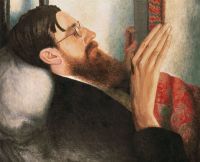
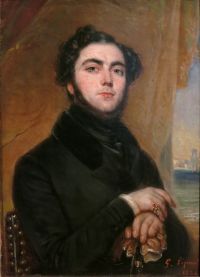
Portrait of Eugène Sue Eugène Sue,  The Sword of Honor; or, The Foundation of the French Republic

“ As it came in sight the people cried with one voice, "Long live the law! Long live the Nation!" Then the storm broke over Paris, and amidst such exclamations, mingled with the crashing of thunder, Louis XVI entered as a prisoner the palace of his fathers.
Such was the blindness of the Assembly in its bourgeois egotism, in its mistrust of the people, in its absurd hatred of republican government, that it still thought to impose upon France the authority of this King, disgraced, despised even by his own partisans, and convicted of perjury, treason, and conspiracy with the foreigner.
”
Source: Gutenberg

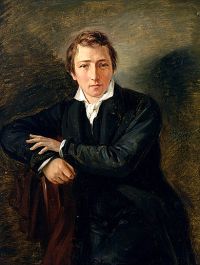
Portrait of Alphonse de Lamartine Alphonse de Lamartine,  History of the Girondists, Volume I

“ Louis XVI., of a degenerate race, without elevation of mind, or energy of will, allowed himself to be enthralled early in life by religious prejudices, which have even lessened his intellect; fascinated by a giddy queen, who unites to Austrian insolence the enchantment of beauty and the highest rank, and who makes of her secret and corrupt court the sanctuary of her pleasures and the focus of her vices, this prince, blinded on the one hand by the priests, and on the other by love, holds at random the loose reins of an empire which is escaping from his grasp. ”
Source: Gutenberg

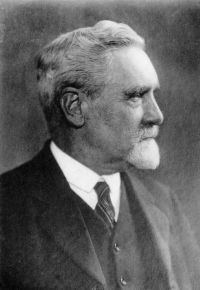
Sir Charles Edward Mallet,  The French Revolution (1893)

“ In spite of his want of strength, his lamentable irresolution, and his well-intentioned lethargy of mind, Louis XVI possessed not a few of the qualities in which good kings excel—a high standard of morality and duty, a large fund of quiet simplicity and courage, a readiness to listen to the advice of wiser men, a marked sensitiveness to public opinion, and a genuine desire to serve his people. ”
Source: Gutenberg

Get perspective with Kwize: daily news enlightened by great literature