Novgorod

Definition and stakes

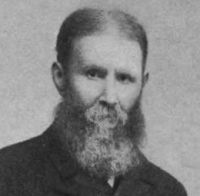
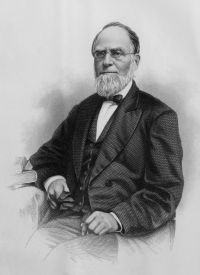
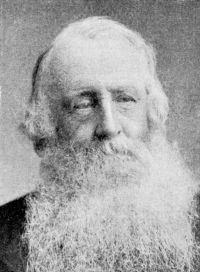
Portrait of Augustus J. C. Hare Augustus J. C. Hare,  The Story of My Life, volumes 4-6

“ Petersburg on Monday, and went to Novgorod the Great, one of the oldest cities in Russia, once enormous, but now dwindled to a large village, with a decaying kremlin and a wonderful cathedral like a mosque, a blaze of beautiful ancient colour within, quite splendid in its gold and silver decorations, and the shrines of sixteen famous saints (the Greek saints are most puzzling) who are buried there, and whose mummified hands, left outside their cerecloths, are exposed to the kisses of the faithful. A journey of nineteen hours’ rail brought us here on Thursday morning. ”
Source: Gutenberg

R. Van Bergen,  The Story of Russia

“ Upon his return to Moscow, he announced that Novgorod was the enemy of the Greek Church, and the ally of the Pope and of Lithuania. This so alarmed the Metropolitan and the priests that they begged Ivan to make war upon the wicked city. Many dukes and boyards, moved by loyalty for the church, and perhaps scenting spoils, flocked to his camp. Marfa's partisans in vain tried to arouse the citizens by the cry, "Let us die for liberty and St. Sophia!" It fell on deaf ears; every one for himself, was the general thought. Novgorod surrendered. ”
Source: Gutenberg

Charles Morris,  Historic Tales: The Romance of Reality…

“ Though seated in Russia, still largely a land of barbarous tribes, Novgorod became one of the powerful cities of the earth, making its strength felt far and wide, placing the tribes as far as the Ural Mountains under tribute, and growing so strong and warlike that it became a common saying among the people, "Who can oppose God and Novgorod the Great?" ”
Source: Gutenberg

Get perspective with Kwize: daily news enlightened by great literature