Suzdal

Definition and stakes

Chautauqua Institution,  The Chautauquan, Vol. 03, January 1883

“ The rivalry of the princes, together with the increasing power of Suzdal, the remote northeastern division of Russia, were destined to bring ruin to the ancient, magnificent capital of the realm. Andrei Bogoliubski, son of Iuri Dolgoruki, and prince of Suzdal, assembled an army composed of the men of his three cities, Rostof, Vladimir, Suzdal, and descended upon Kief. The Russia of the Forests, remote from Byzantine and from western civilization, had been silently developing resources of strength and of wealth from within ”

Source: Gutenberg

Charles Morris,  Historic Tales: The Romance of Reality…

“ Schools were widely established, in one of which three hundred of the youth of Novgorod were educated. A throng of Greek priests were invited into the land, since there were none of Russian birth to whom he could confide the duty of teaching the young. He gave toleration to the idolaters who still existed, and when the people of Suzdal were about to massacre some hapless women whom they accused of having brought on a famine by sorcery, he stayed their hands and saved the poor victims from death. ”
Source: Gutenberg

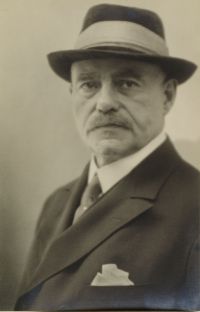
Portrait of Jeremiah Curtin Jeremiah Curtin,  The Mongols in Russia (1908)

“ From old to young, every man was to fight on the walls, or wherever the need was. All armed themselves for the coming storm and the battle. On the second or third day of the siege, news spread through the city that Suzdal had been taken, that Rostoff had yielded. Men on the walls saw on the Suzdal road Mongol regiments approaching rapidly, and then they saw men, women, monks, nuns and a multitude of people led captive. ”
Source: Gutenberg

Get perspective with Kwize: daily news enlightened by great literature