Summary

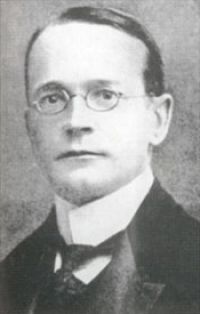
Portrait of Joseph McCabe Joseph McCabe The Romance of the Romanoffs

While Russophile professors were penning their plausible theories of the Russian character, the autocracy which they defended was being shaken by as brave and grim a revolution as any that has upset thrones in modern Europe. Moscow, the shrine of this supposed beautiful docility, was red with the blood of its children. In the jails and police-cells of Russia about 200,000 men and women, boys and girls, quivered under the lash or sank upon fever-beds, and almost as many more dragged out a living death in the melancholy wastes of Siberia. They wanted democracy and progress
Source: Gutenberg

Portrait of Joseph McCabe Joseph McCabe The Romance of the Romanoffs

How far Alexander was to blame for the entry of his country into the struggle against Napoleon, or into Napoleon’s struggle against England, is a point on which opinions differ. His entire change of attitude—from neutrality to war against France, then to friendship with Napoleon, then back to the English alliance—annoyed his ministers and people, and lays him open to a charge of nervous instability. Such a charge he would have rebutted with warmth and astonishment. His portrait is familiar: a smooth-faced, dignified man, reflecting righteousness in every feature.
Source: Gutenberg

Portrait of Joseph McCabe Joseph McCabe The Romance of the Romanoffs

Tolstoi was one of the envoys of Peter who had enticed Alexis from Naples: a polished and supple courtier, an astute diplomatist, and an unscrupulous adventurer, who watched Menshikoff as one sharper watches another. Ostermann was one of the ablest, and certainly the most conscientious of the group; while a fourth of Peter’s men, Yaguzhinsky, a man of poor origin who had attracted the late Tsar’s esteem by his vivacity and his extraordinary capacity for liquor, was the most bitter and outspoken critic of Menshikoff.
Source: Gutenberg

Get perspective with Kwize: daily news enlightened by great literature