Mummification

Definition and stakes

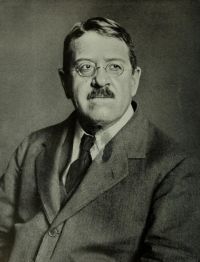
T. L. Haines,  Museum of Antiquity: A Description of Ancient Life

“ Others consider the custom arose rather from a sanitary regulation for the benefit of the living. According to Mr. Gliddon, mummification preceded, in all probability, the building of the pyramids and tombs, because vestiges of mummies have been found in the oldest of these, and, in fact, the first mummies were buried in the sand before the Egyptians possessed the necessary tools for excavating sepulchres in the rock. The earliest mode of mummification was extremely simple; the bodies were prepared with natron, or dried in ovens, and wrapped in woolen cloth. ”
Source: Gutenberg

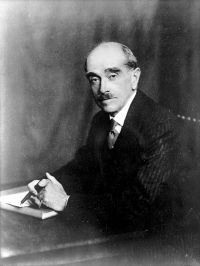
Portrait of Grafton Elliot Smith Grafton Elliot Smith,  Tutankhamen and the Discovery of His Tomb by the Late Earl of Carnarvon and Mr…

“ Many other devices were introduced to convert the mummy from a shrunken caricature into a more life-like portrait.
Mummification reached its fullest and most successful development during the six centuries from 1500 b.c. to 940 b.c., which represents the period of the collection of royal mummies in the Cairo Museum. They reveal the ancient Egyptian practice of embalming in its highest perfection, and have provided most of the information we possess of the history of mummification.
”
Source: Gutenberg

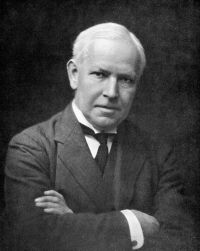
Portrait of Grafton Elliot Smith Grafton Elliot Smith,  The Evolution of the Dragon

“ It is impossible adequately to estimate the vastness of the influence of such intercourse, not merely in spreading abroad throughout the world the germs of our common civilization, but also, by bringing into close contact peoples of varied histories and traditions, in stimulating progress. Even if the practice of mummification had exerted no other noteworthy effect in the history of the world, this fact alone would have given it a pre-eminent place. ”
Source: Gutenberg

Get perspective with Kwize: daily news enlightened by great literature